


This is a little off-topic but I’m betting someone will be able to help me.
I hate RC landing gear. Now that I have that context established...
A friend at the club just bought the Avios MiG 17. He was raving about the gear retracts. So I bought a set, thinking it would be a great project to integrate them into one of the EDF models I have that had gear issues flying off our grass field (IE all of them!)
I got the retracts quickly from HobbyKing! And I started
studying them to see why they are so great. Obviously they are very different than most retracts, etc. All metal. Sturdy. Nice.
But wait! Only 2 conductors in the wires to the motors! And, where is the steering arm?
Yep. There is a special control board required. Location: Hong Kong. Ordered one. 3-9 days shipping. Can’t wait..
My actual questions:
Is there anything I need to know about connecting the special board to my receiver? I read something about these retracts perhaps needing a different voltage than usual. Do they just plug into a standard receiver and the board does the rest?
And, it looks like the steering servo mounts to the strut and swings up and down with the gear. Is that right?
Any other insights and random thoughts about these retracts would be greatly appreciated!
-
Doesn't play well with others... gotta keep it on course... Love this plane and am so glad I spent the time to get it how I wanted! The gear doors being off have been a huge relief for me! No issues with funky gear actuation either... Loving it! Gotta get a couple more flights in before the airshow this weekend...Leave a comment:
-
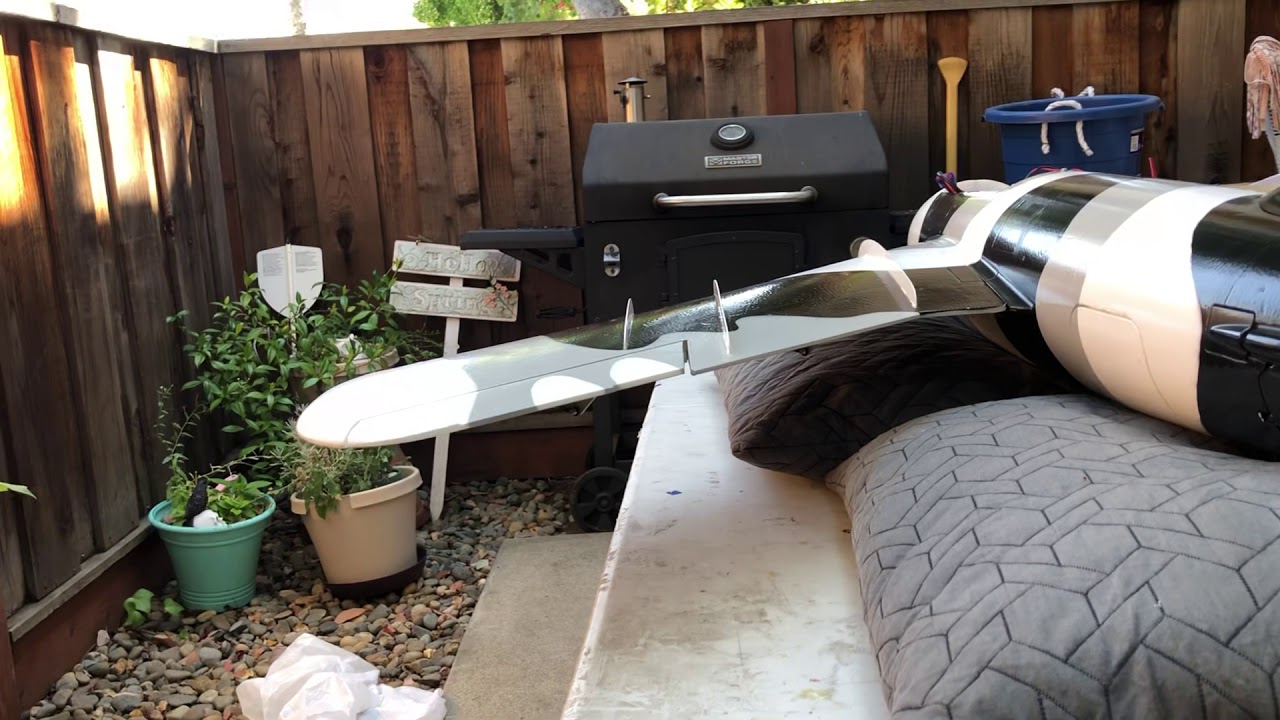
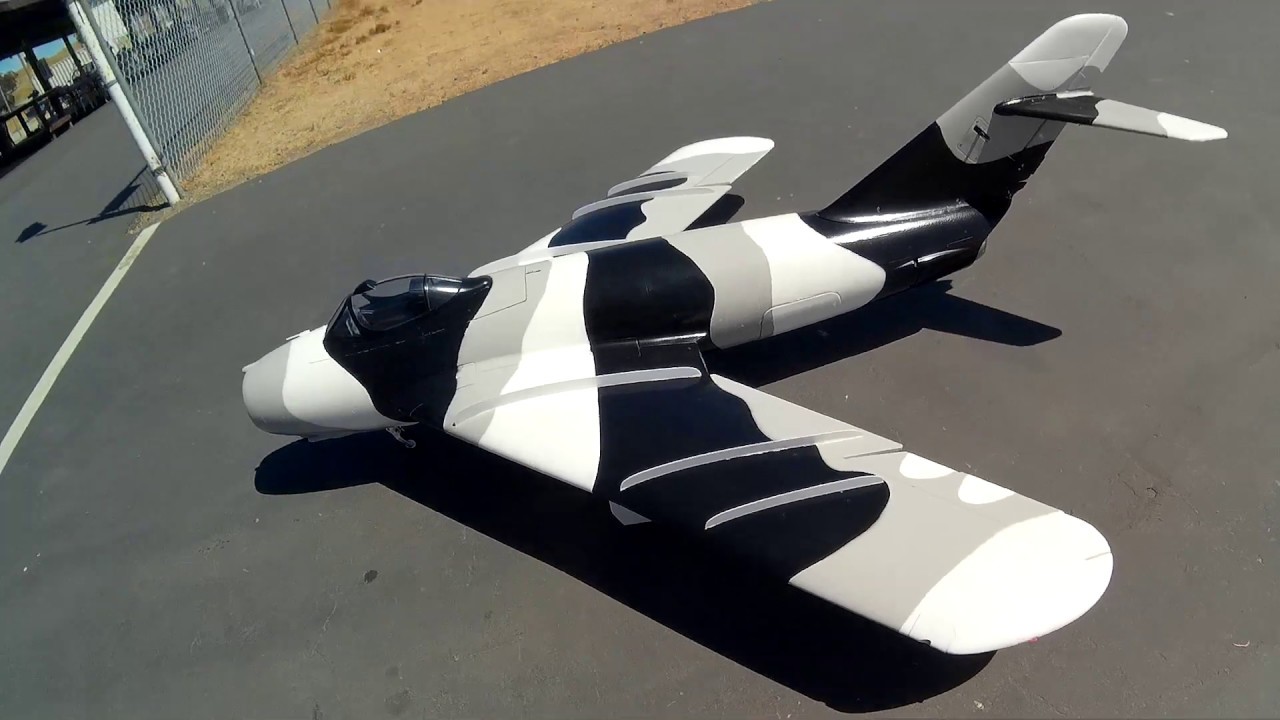
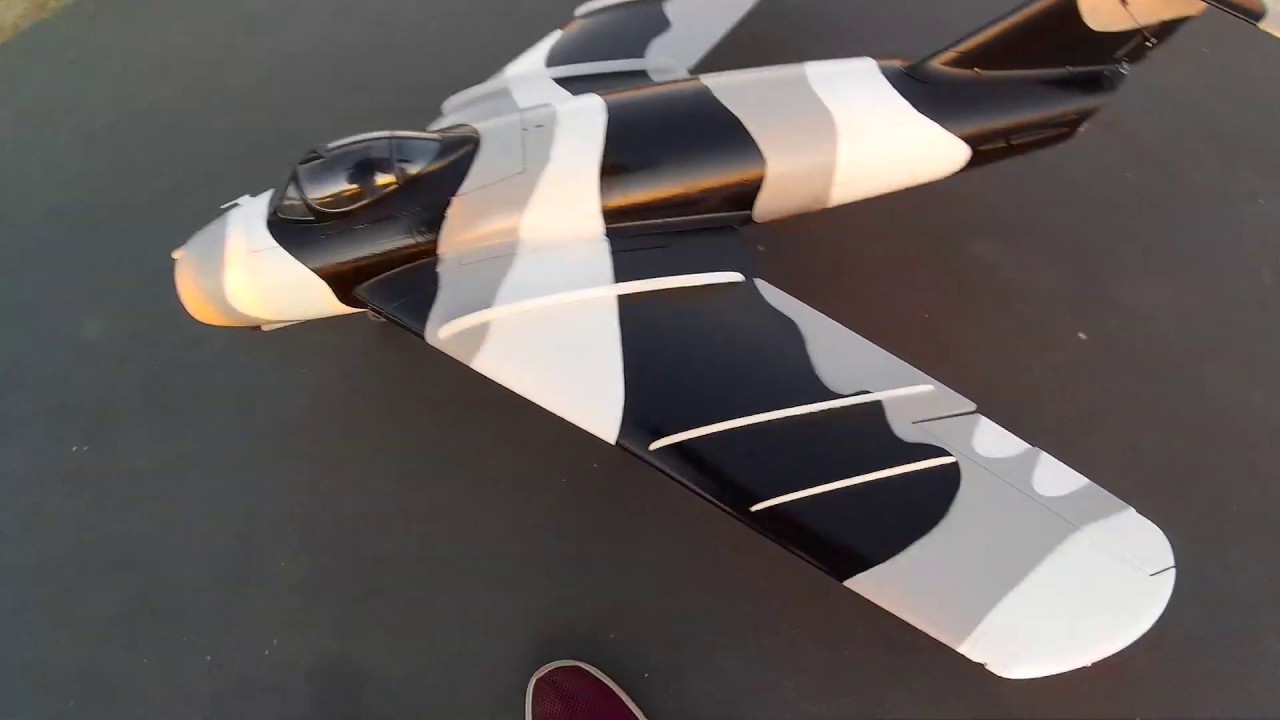
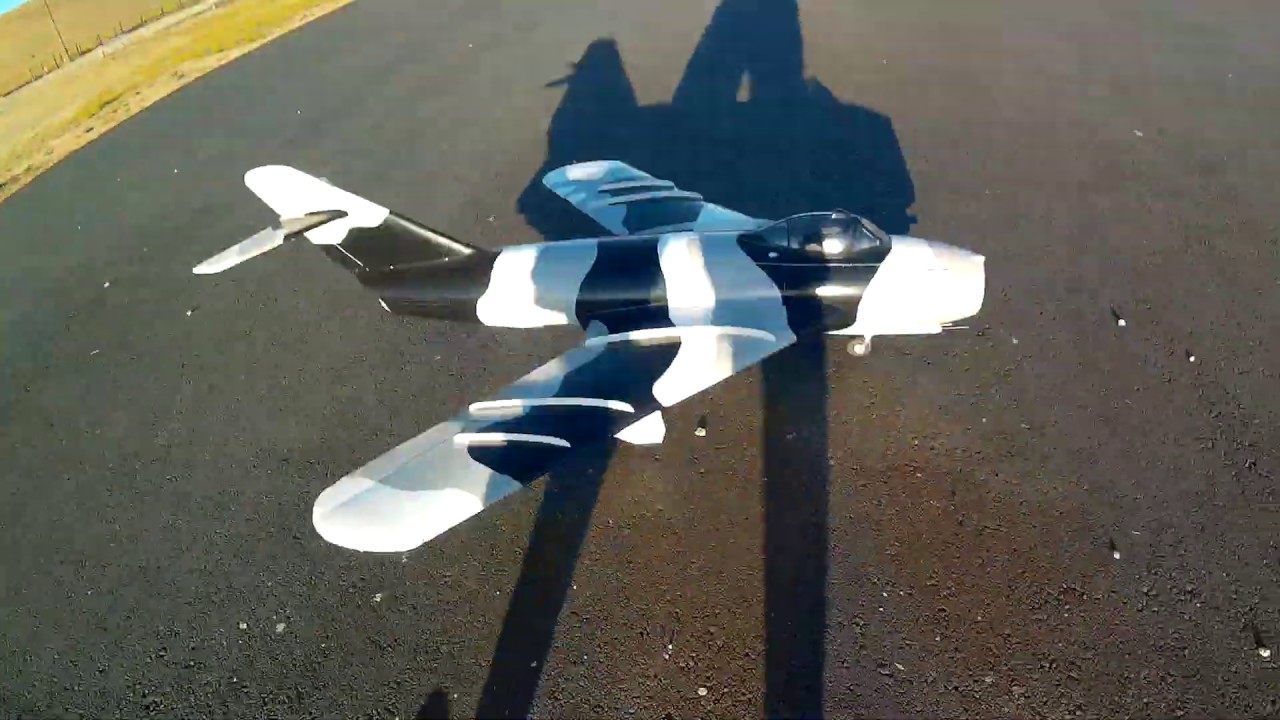
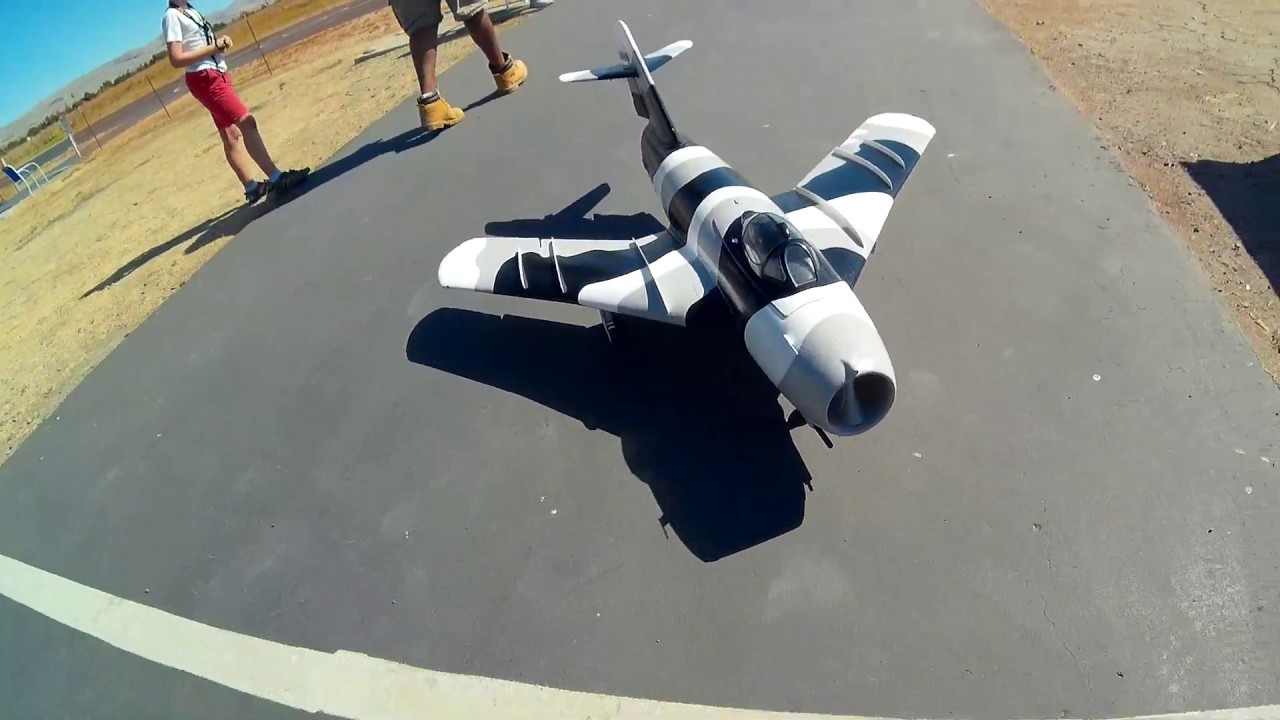
OMG!!!!! I love this plane!! its a pain to get in the car but what a pleasure to fly!! Here are my videos....also I have a "do it yourself" version of the afterburner if anyone is interested in how to do it...
Leave a comment:
-
Hi everyone!!! Patrick just shipped my order and sent me pics!!! His 3D stuff looks like a winner! I will post pics and update here when they get to Texas! Excited to add some details!!! Thanks Pat!!! Jerry
Leave a comment:
-
Small reminder : The MiG-17 cockpit set is still available! STL files if you can print it yourself, but also complete sets.
Please contact me at pat.verlinden@telenet.beAttached FilesLeave a comment:
-
-
Just about all of the commercial models I've flown specify a CG that is too far forward in the manual. Its like that for a reason - a plane will generally fly pretty well nose heavy, which is what you want if you're selling models, especially if you have inexperienced pilots included in the mix. So its not a bad idea to start that way and move it back as you gain experience with the model, as opposed to starting tail-heavy and moving it forward.
That being said, I would like to see the manufacturers recommend a "starting" CG in the manual with the note that it should be moved back. 'Cause many don't realize this.Leave a comment:
-
One more thing, I used to use the thickest part of the cord, or highest part of the wings camber on straight winged planes to guess as to a models CG, but I've found that not too be half as helpful for finding true CG as my method above.Leave a comment:
-
I appreciate the info, even if it is slightly restated. I don't recall it, and so I'll just chock it up to you possibly being the first to consolidate it in one post.
Either way, as I was reading your post I was like the CG is too far forward!! Haha but you figured it out. Glad to hear that the Mig 17 is identical to the F-86 set up when it comes to balancing. I've never owned a Mig 15 but if I did, my first go to would be to set it up as my F-86. I had to learn that forward CG/bounce issue on my A-10, A-6, and my F-86. Lesson learned! I don't use that old pilot adage, "I'd rather be nose heavy than tail heavy", anymore. Sure she'll fly better nose heavy, but depending on the model she may be destroyed upon landing. So I had to change my ways, I get as close to CG as possible prior to the first powered flight.
I combine two techniques I figure this out, first is the landing gear, tricycle or tail dragger doesn't matter, I check to see how the model balances sitting on her gear with the battery installed. Now I know this is giving the engineers/design team a lot of credit, and that if all models were true to scale, this wouldn't be half as successful as I've found it to be, but this is step one, and I've found when combined with step two, that the medium between the two puts me within a few millimeters of true CG. Part two, is suck up the gear, install the battery, and give it an old fashion chuck. I usually chuck it towards the bed with pillows as a backstop. The lighter aircraft actually glide down to the bed, the heavier ones, greater than say 3lbs don't glide at all. What they do, if they are balanced is come forward and down keeping the fuselage level. Last step is the aerodynamic balancing known as trimming the flight surfaces during the maiden. I got too excited with my A-10, and glued all the bottom antennas on, so never got to the chuck test, cost me a couple of nose gears as I figured out that the CG was WAY too far forward in the manual.
Leave a comment:
-
Someone was asking about what is the right size for the pilot figure?
Leave a comment:
-
Hey Evan, we're cool! Yeah today, when I inspected my plane after the belly landing today I saw that the gear had retracted without the inner doors opening - so the gear was jammed and it didn't want to re-open. After I got the plane back to the pits I was able to cycle it through and get it back to normal. But all those scrapes along the bottom were a pain in the ass. The spoon will fix that (if it ever happens again) and it looks cool.
Anyone else going to the Ejets/Ewarbirds event next weekend at the TORKS club near Columbus Ohio?Leave a comment:
-
Sorry, I think its a great thing to say these things again. I didn't mean to come across as much of an a$$ as I just did...
I've also had the odd retraction (without the gear doors opening) but so far not in flight. Good idea on the spoon. I also have the 3d printed tail skid, great since I do balance tail heavy as you do...
Leave a comment:
-
So here's something else that I did. Although I cycle the gear each time, I've noticed that sometimes the gear retracts by itself (usually shortly after I put them down for landing). The result is that I am on final approach and I see.... no gear. As others here have mentioned, the LG sequencer seems to be "tempermental".
well, that happened today and I had to make a belly landing after trying twice to get it down. (it was a perfect belly landing!) No damage except that I did have some scrapes along the bottom. So... after repainting the bottom.... I glued the head of a plastic spoon on the bottom just aft of the nose gear like you see here. This will provide a hard spot, a "skid plate" if you will - so next time there won't be any damage from skidding on the runway (I also have the 3D-printed tail skid installed, which is very strong).
Leave a comment:
-
Sorry Evan, I didn't mean to imply that I was discovering this mystery all by myself, sorry if I gave that impression. I guess that I'm just trying to confirm that its MUCH better with the balance point in the wheelie position. I did see where earlier on this thread some guys were reporting that it flew well balanced further back.
By "earlier this summer" - I meant, I was using the Admiral 5000 when I started and now I'm using the 6250. I guess its been about 6 weeks or so since I got this model. Summer is flying by!!
Leave a comment:
-
Earlier this summer? This plane hasn't been out that long.
The way you are describing both your tail sit test and that flaps do not effect pitch have been posted many times by myself and others. I still need the standard 2-3mm of up trim even though it needs almost no push inverted.
As you note a landing produces an awesome wheelie down the length of the strip ( I fly off a paved runway).
Leave a comment:
-
Hey guys,
I did a bunch of flights today, trying to get the balance point sorted out. Earlier this summer I was using an older-style Admiral 5000 (short and fat) pushed all the way forward … and with my timer set at 3 minutes I found that I had a very small safety margin with the battery. So I switched to the longer RoaringTop 6250 and that solved two problems - first I was able to move the battery back about an inch to where the Velcro strap could reach it, and second it gave me enough juice so I could make 2 aborted landings after I reach my 3 minute timer.
The battery is sitting very far forward, much further forward than what the battery tray seemed to be set up for. I balanced it per the manual, but I needed some up trim to fly level.
I was still having trouble with the bounce, even after practicing it for the past few weeks. I am very pleased with the way the plane flies, but during landing if you accidentally smack the nose gear the model will bounce back into the air. I've been trying and trying but I still get this bounce. Last weekend I had a near disaster with a big bounce that ended with a "saber dance" but I managed to save it.
So I was thinking maybe its nose heavy. Today I tried moving the 6250 battery backwards a little bit at a time, just to see how it would do.
Well, I found that it really made a big difference. With the battery pushed back, the plane is much easier to land.
Do this balance test: with the battery set back from the forward position, I found that if you tilt the model back on the gear it will just sit back and stay on the tail skid. if you just nudge the nose down, it will sit very lightly on the nose gear.
So in other words, position the battery so that the model is just resting very slightly on the nose gear, but it will tilt back and stay if you lift it on purpose.
You may think its tail heavy with it set up like this, but inverted flight testing proves that it is not tail heavy. When inverted it only needs the slightest touch of down elevator which means its basically neutral. It flies really well balanced like this (I don't need any up trim for level flight) and when its landing its really easy to hold the nose up (obviously) which solves the bounce problem. It does have a tendency to do "wheelies" when its taxing over bumps, but its not bad. Do not push the battery back to where it sits heavily on the tail, that's too far back. It needs to sit on the nose gear - just very lightly.
Something else I found from testing is that the flaps do not affect the attitude of the plane much - originally I had a little down trim set with the flaps but I removed almost all of it. With full flaps set, the elevator is trimmed down maybe 1/32" (maybe 1.5mm). That is just enough to help the plane avoid ballooning.
I hope it helps! Try flying this bird balanced like I suggest and see if you like the way it lands better!
Leave a comment:
-
Oh no! It's Russian Collusion!
Which, when flying RC airplanes, is better than Russian Collision.Leave a comment:
-
Hurray, MiGs are back on topic.
I slowed down on my build. I was in the middle of designing cockpit eye candy. Nothing scale, but then I saw the excellent work above. Will be requesting files after the holidays.
I'm the meantime, I'm painting up the trim details and will be printing up my waterslide decals today,.using a cricut machine, laser printer and white decal paper.
I would love to see some more Russian/Soviet planes from Freewing.
Leave a comment:
-


 YES!! Love it!


Leave a comment: